
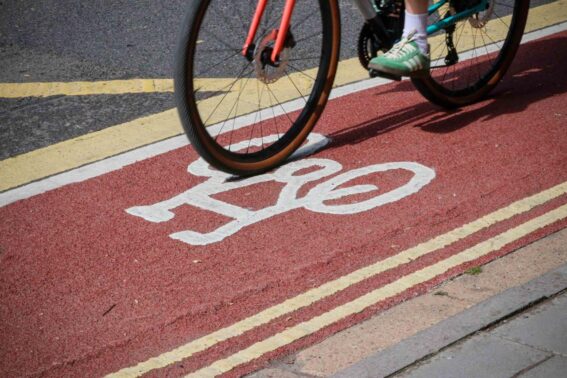
The Department for Transport is consulting on proposals that would allow powered wheelchairs and mobility scooters to use cycle lanes. This would be a big step for inclusive mobility, but only if the infrastructure is safe for everyone.
Wheels for Wellbeing reminds us that disabled people, like cyclists, need safe, continuous and protected routes. If mobility devices are added to cycle lanes, the government must commit to wider, safer and better‑designed infrastructure.
Please visit Wheels for Wellbeing website for more details and resources: https://wheelsforwellbeing.org.uk/considerations-dft-mobility-devices-consultation/
The consultation has 30 separate policy-related questions, as well as questions on personal physical and mental health conditions, where applicable. The consultation is open until the end of March and the results will be summarised by the summer.
Our view:
RCC supports allowing mobility scooters and powered wheelchairs to use cycle lanes, however lanes must be segregated and sufficiently wide. In Reading too many cycle lanes are:
- too narrow for safe overtaking
- shared with fast traffic
- intermittent or poorly maintained
Introducing mobility devices into these spaces without upgrading the infrastructure is dangerous.
You can respond to the consultation here: https://www.gov.uk/government/consultations/reviewing-the-law-for-powered-mobility-devices
Deadline is 31st March 2026.
I agree with this approach. I’m supportive, but there are potential problems where there aren’t continuous on-road cycle lanes or off-road cycle tracks (such as Kennetside) are narrow or have pinch-points. It just highlights the need for continuous, high quality network of routes that are safe for everyone to use.