

Cycling in Reading is growing and with it comes a swirl of persistent myths about what cyclists should do, must do, or are allowed to do.
These misconceptions don’t just cause confusion; they shape behaviour on the road, influence how drivers interact with cyclists and can even affect what happens after a collision.
This article tackles these myths head‑on. Using evidence, Highway Code guidance and practical experience, we’re setting the record straight so every road user – whether on two wheels or four – can make safer, more informed decisions.
Myth 1: Cyclists must stay close to the kerb
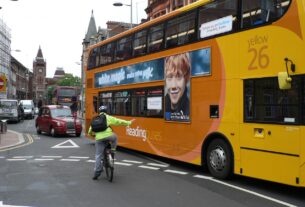
Reality: The Highway Code (Rule 72) explicitly allows cyclists to ride in the centre of the lane in slower‑moving traffic or when it prevents unsafe overtaking. Positioning further out increases visibility and reduces the risk of close passes.
Myth 2: Taking the lane blocks traffic
Reality: Taking the lane is a protective measure, not an act of defiance. It discourages dangerous overtakes and keeps cyclists clear of hazards such as potholes, drains and opening car doors.
Myth 3: Cycle lanes must always be used
Reality: Cycle lanes are optional. If a lane is obstructed, poorly designed, or simply unsafe, cyclists are fully entitled to use the main carriageway.
Myth 4: Helmets prevent serious head injuries
Reality: Helmets reduce the frequency of injuries, but cannot prevent all head trauma, especially in high speed or side impacts. Safe road positioning, visibility and awareness remain the most important safety factors.
Myth 5: If you feel fine after a crash, you’re unharmed
Reality: Adrenaline masks pains and symptoms. Many injuries, including concussion, soft‑tissue damage and internal bruising, can appear hours or days later. A medical check is always recommended.
Myth 6: Accepting cash after a crash is easier
Reality: Cash rarely covers injuries and loss of earnings. Plus, hidden structural damage to a bike can be serious and expensive. Without a proper report, you may have no recourse if problems emerge later.
Myth 7: Mirrors replace shoulder checks
Reality: Mirrors help, but they don’t replace the lifesaving habit of looking over your shoulder before manoeuvring.
Myth 8: Flashing lights are always best
Reality: Flashing lights attract attention, but steady lights help drivers judge distance. A combination is often safest.
Myth 9: Drivers can pass anywhere if there’s space
Reality: Drivers should leave at least 1.5 metres when overtaking up to 30mph and significantly more at higher speeds. Anything less could be considered as ‘careless driving’ and therefore illegal.
Myth 10: Minor crashes don’t need reporting
Reality: The benefit of reporting details of any crash is two-fold. This records the vehicle driver details in case of future issues and improves infrastructure. The more we report, the faster the infrastructure improves. Reporting also creates an official record that protects you if injuries or mechanical issues appear later.
Myth 11: “The driver didn’t see you, it was unavoidable”
Reality: Many collisions are a result of positioning, visibility or attention failures. Predictable riding and space management reduce risk.
Myth 12: A bike that looks fine after a crash is safe to ride
Reality: Cracks, frame stress and component damage can be invisible. Always get a professional check.
Myth 13: Safety comes mainly from equipment
Reality: Equipment helps but the biggest safety gains come from road positioning, awareness, and decision‑making.
Matt Touw
MT-Cycle Repairs

Great tips and advice.